
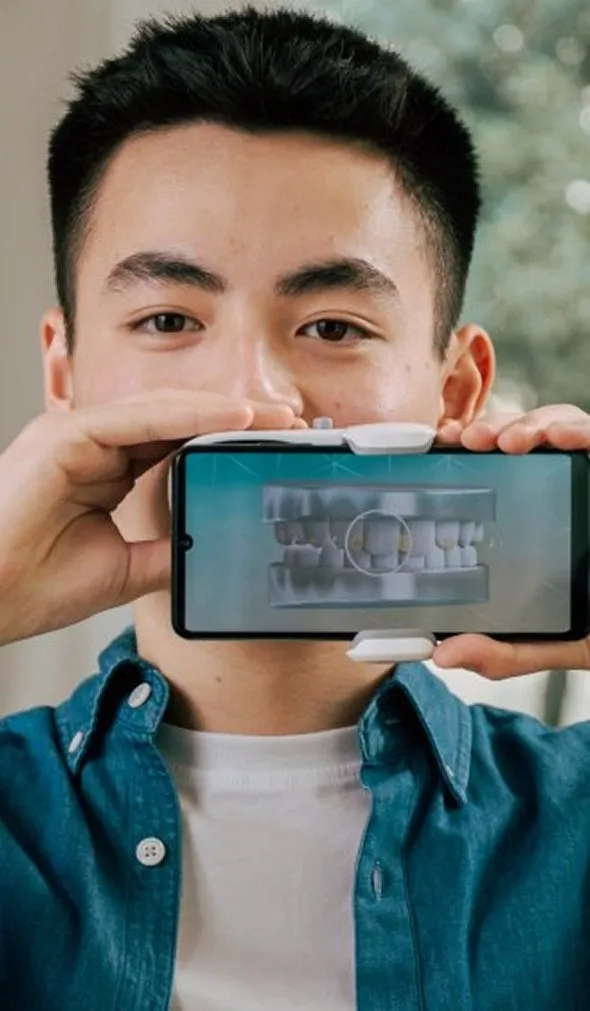
Orthodontics in 2025 looks very different than it did just a few years ago. The old model of metal brackets, goopy molds, and months between updates has evolved into something faster, smarter, and significantly more personalized. At the center of that transformation? Digital orthodontics.
From artificial intelligence that plans your treatment in seconds to 3D scans that eliminate uncomfortable impressions, digital tools are now essential in modern orthodontic care. Whether you’re looking into braces for your child or exploring aligners for yourself, it’s worth understanding how these innovations are making treatment more accessible and more effective than ever before.
Let’s take a closer look at what’s changed — and how you can benefit.
What Is Digital Orthodontics?
Digital orthodontics refers to the use of advanced technology to plan, deliver, and monitor orthodontic treatment. Instead of relying on traditional impressions or manual adjustments, providers now use a suite of tools — from high-resolution imaging to AI-driven platforms — to guide the process with remarkable precision.
The result? A more comfortable experience, faster results, and fewer surprises along the way.
Major Advancements Reshaping Orthodontic Care
Here’s what’s leading the charge in 2025:
- 3D Imaging and Intraoral Scanning — Today’s orthodontists use handheld scanners to capture a detailed digital map of your teeth in just minutes.
- AI-Powered Treatment Planning — Artificial intelligence is now being used to analyze bite alignment, predict tooth movement, and generate step-by-step treatment timelines.
- Remote Monitoring Platforms — Digital check-ins allow your orthodontist to monitor your progress between appointments using secure photo uploads or scans.
- 3D Printing for Appliances — Customized aligners, retainers, and brackets are created faster and with greater precision using 3D printing.
- Smile Simulators and Virtual Consults — Preview your expected results before treatment begins with advanced visualization tools.
Benefits You Can Actually Feel
Digital orthodontics isn’t just about cutting-edge tech — it makes real differences in the treatment experience:
- Precision Planning — Improved accuracy means better outcomes with fewer refinements
- Faster Treatment — Customized setups can shorten total treatment time
- Improved Comfort — Digitally designed appliances are more precise and better fitting
- More Transparency — Visual models help patients understand progress and expectations
- Increased Convenience — Fewer in-person appointments thanks to remote monitoring
The Patient Experience in 2025
Patients today expect more — and for good reason. With access to digital previews, detailed plans, and shorter timelines, orthodontic care is now far more tailored than it used to be.
Whether you're a teen balancing school and sports or an adult with a packed schedule, digital orthodontics offers flexibility that fits your life. Instead of monthly visits for wire checks or progress updates, remote check-ins now keep everything on track — without you needing to take time off work or school.
Plus, the tech doesn’t just help your provider — it gives you more visibility and control over your own smile transformation.
Common Digital Tools You’ll Encounter
As you begin your orthodontic journey, here are a few terms and tools you might come across:
- SmartTrack® Materials — High-performance aligner plastics designed for consistent tooth movement
- Digital Bracket Mapping — Custom bracket placement for more efficient results
- Mobile Monitoring Apps — Apps that track wear time, alert your provider to concerns, and offer reminders
- Cloud-Based Case Files — Secure access to your treatment records and scans for easy reference
- AI Smile Simulators — Predictive software that shows before-and-after visualizations in real time
Digital Advancements Across Treatment Types
Technology now supports a range of orthodontic options — not just aligners. Here’s how:
- Clear Aligners — These benefit the most from digital scans, AI planning, and rapid production
- Braces (Metal or Ceramic) — Digital mapping helps orthodontists place brackets for maximum efficiency
- Lingual Braces — Hidden behind the teeth, these require highly detailed 3D imaging for proper placement
- Pediatric Interventions — Growth forecasting software allows early identification of potential bite issues
How to Know if Your Provider Uses Modern Tools
Not every orthodontic office is fully digital — yet. If you’re considering treatment in 2025, it’s worth asking:
- Do you use 3D scans instead of impressions?
- Can I preview my treatment outcome before committing?
- Do you offer remote check-ins or mobile monitoring?
- Are your aligners or retainers custom-printed in-house?
- Do you use AI or digital modeling for treatment planning?
The answers will tell you a lot about whether your experience will be modern, personalized, and efficient — or stuck in the past.
Looking Ahead — What's Next for Digital Orthodontics?
In 2025, we’re already seeing early versions of what's to come:
- Smart Retainers — Equipped with sensors that track wear and fit
- Genetic Integration — Using DNA to predict bone movement and optimize timelines
- Immersive Patient Education — VR consultations that walk you through treatment in 3D
- Automated Refinements — AI flagging when minor adjustments are needed, before issues arise
As these tools become more refined and accessible, they’ll continue to elevate the quality and speed of orthodontic care.
Ready for a New Kind of Smile Experience?
Digital orthodontics in 2025 is about more than tech — it’s about what that tech makes possible. Faster results. Better accuracy. Fewer appointments. And a clearer understanding of your own treatment journey.
If you’ve been waiting for the right time to explore braces or aligners, now is the perfect moment. The tools, precision, and flexibility of today’s digital workflows are designed to meet real-world needs — without the discomfort or confusion of outdated methods.
Start with a digital scan, see your projected results, and take the first step toward a smile that feels as good as it looks.