
Phase 1 Orthodontics in Miramar: Why Age 7 Really Matters
Your seven-year-old loses a baby tooth, and you think, "Great, we've got time before braces." But here's what most parents don't realize: age 7 is often the sweet spot for orthodontists to spot problems that, if caught early, can mean easier treatment later—or sometimes no braces at all.
This isn't fear-mongering. It's just how growth works. And understanding Phase 1 orthodontics might be the single smartest decision you make for your child's smile.
What Exactly Is Phase 1 Orthodontics?
Phase 1 is interceptive treatment—meaning we intercept problems while your child is still growing. It typically happens between ages 6 and 10, when your child has a mix of baby and adult teeth. We're not giving them a full set of braces (that's Phase 2, usually in the teen years). Instead, we're gently guiding their jaw growth and creating space for adult teeth.
Think of it like this: if you catch a crowding problem at 7, we can work with your child's natural growth to prevent extraction of healthy teeth later. If you wait until age 13, you might be looking at more invasive treatment.
The American Association of Orthodontists recommends that every child have an orthodontic evaluation by age 7. Not because every kid needs braces. But because some kids benefit from early intervention—and you can't know unless someone looks.
What Problems Show Up at This Age?
During Phase 1, we're watching for patterns that respond really well to growth guidance:
- Crossbites—where upper and lower teeth don't meet properly. Left alone, this can affect how your child's jaw grows.
- Severe crowding—when baby teeth are packed too tight. This often signals that adult teeth will be even more crowded.
- Open bites—gaps between upper and lower front teeth, often linked to thumb sucking or mouth breathing.
- Underbite or overbite patterns—when we can guide jaw growth early, we sometimes avoid surgical options later.
- Mouth breathing habits—we identify these and help redirect, which actually supports better facial development.
None of these are emergencies. But all of them benefit from early eyes.
Why SMILE-FX Does Phase 1 Differently
At SMILE-FX in Miramar, every Phase 1 evaluation is done by a board-certified orthodontist specialist—not a general dentist dabbling in braces. That matters because we're trained to see growth patterns and predict how they'll evolve. We use cutting-edge 3D imaging to understand your child's unique jaw development without unnecessary radiation exposure.
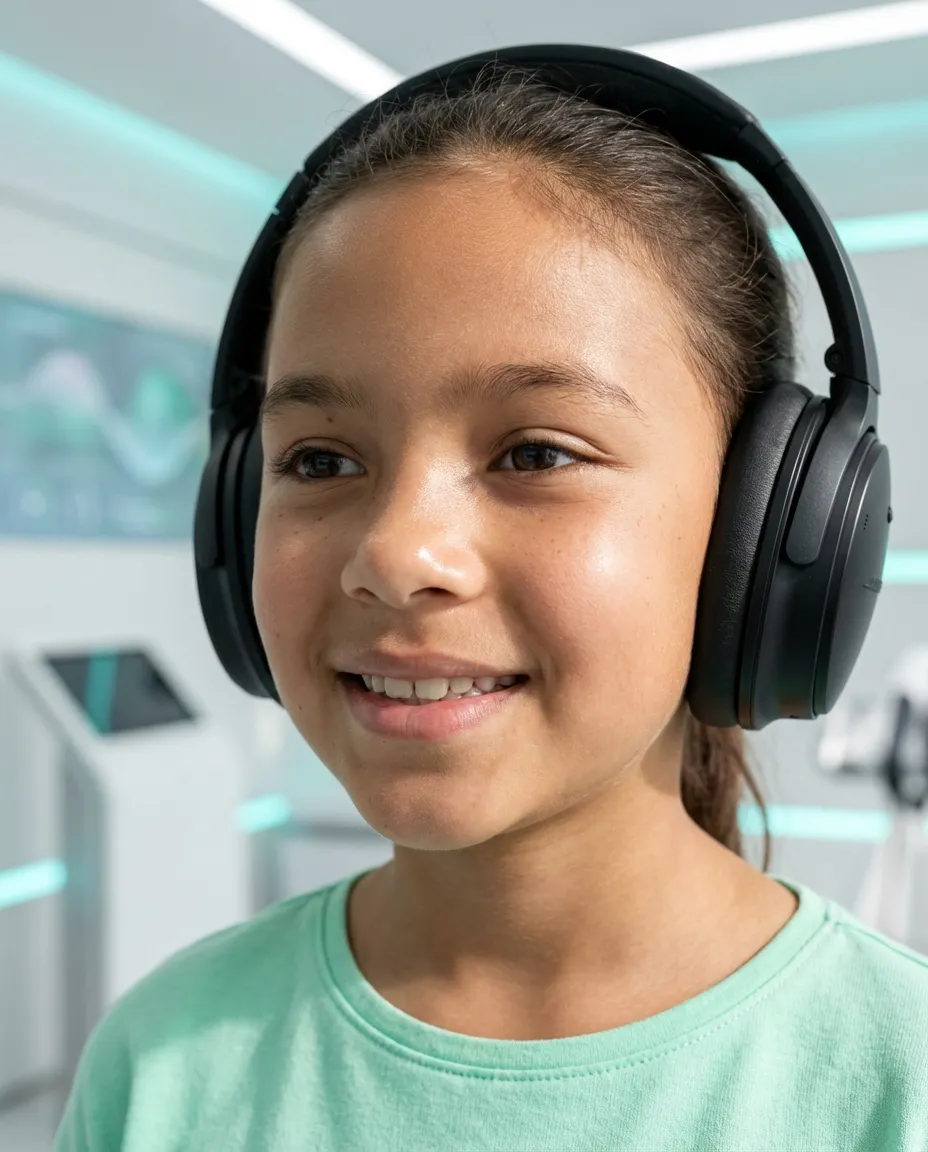
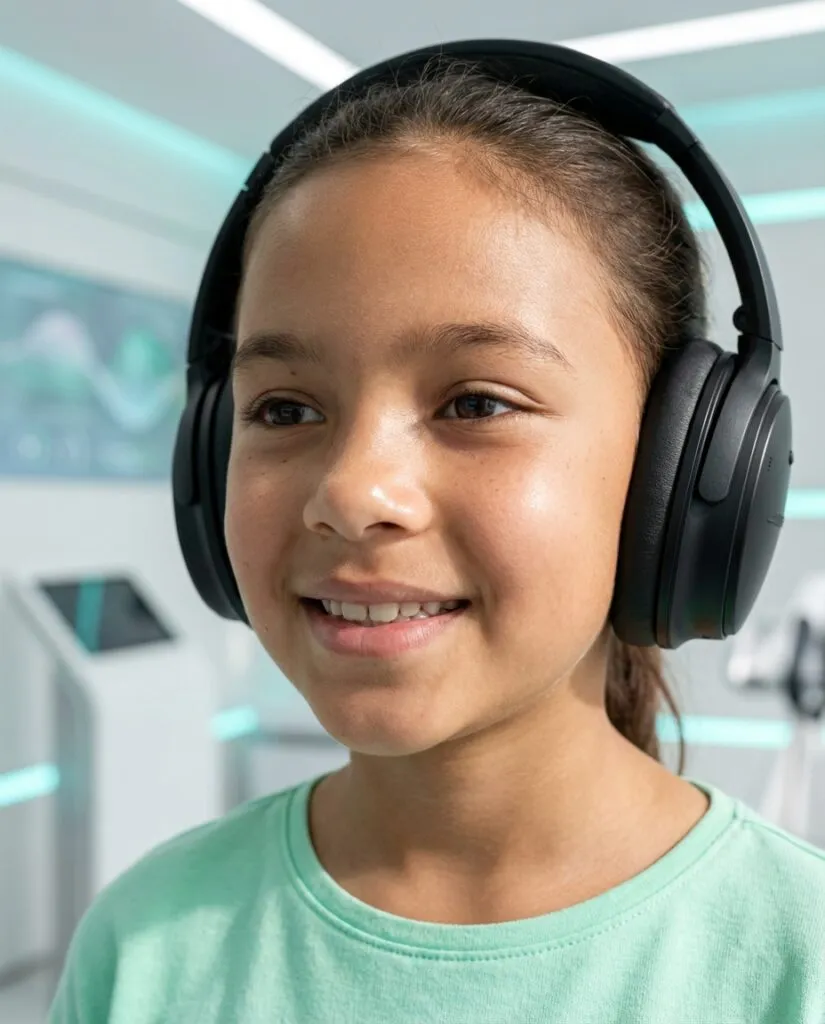
We also know that a seven-year-old doesn't experience orthodontics the way a teenager does. Our VIP Tech suites are designed with kids in mind: noise-canceling headphones, virtual reality distraction, weighted blankets, snacks between appointments, and our team knows how to talk to kids in a way that makes them feel safe, not scared.
Families from across Broward County—Pembroke Pines, Hollywood, Cooper City, Davie, Fort Lauderdale, and Weston—choose SMILE-FX for Phase 1 because we combine clinical expertise with an environment where kids actually feel comfortable.
Here's What Actually Happens at Your First Visit
You come in, and we spend time understanding your child's history: Are they a mouth breather? Did they suck their thumb? Do they have any habits we should know about? This context matters.
Then we do a visual exam and take low-dose digital X-rays and often a 3D scan to see the full picture of jaw growth and tooth positioning. These imaging tools show us things we can't see with our eyes alone—and they help us explain what's happening in a way parents actually understand.
If your child is a good candidate for Phase 1, we'll talk through options. If they're not ready yet, we'll tell you that too. We believe in only recommending treatment when it makes sense—not because it's profitable. That honesty is how you build trust.
Will My Child Actually Need Braces Later?
Honestly? Sometimes Phase 1 interceptive treatment is so effective that Phase 2 (comprehensive braces) is much simpler or shorter. Sometimes we prevent problems that would have required extraction. And sometimes, yes, your child will still need Phase 2—but it'll be more straightforward because we guided growth early.
The point is: you'll know the trajectory. There are no surprises at 14 when your teen "suddenly" needs braces. You've been working with their growth from the beginning.
Is Age 7 Right for Your Child?
If your child has any of these signs, a Phase 1 evaluation makes sense:
- Crowded or overlapping teeth (even baby teeth)
- Teeth that meet abnormally (crossbite, overbite, underbite)
- Mouth breathing (lips apart most of the day)
- Still sucking their thumb or fingers
- Speech or chewing difficulties
- A family history of orthodontic issues
But even if none of these apply, the AAO recommendation still stands: a professional evaluation by age 7 is smart. It's not a commitment to treatment. It's simply a baseline to know what you're working with.
Frequently Asked Questions About Phase 1
Do all kids need Phase 1 treatment?
No. Many kids are developing perfectly on their own. The evaluation helps us know which kids actually benefit from early intervention.
How long does Phase 1 last?
Usually 18 to 24 months. It depends on the specific problem and how well your child's growth cooperates. We monitor progress every 6 to 8 weeks.
What if we wait and skip Phase 1?
Some kids are fine without it. Others end up with more complex Phase 2 treatment later, sometimes including tooth extraction. Early intervention often means simpler, shorter comprehensive treatment.
Does Phase 1 hurt or feel uncomfortable?
Kids typically describe it as "pressure" rather than pain. And because we're working with growth, not forcing teeth through bone, it's gentler than you'd think. Plus, our VIP Tech approach means your child's experience is designed for comfort from day one.
What if we're not ready for treatment yet?
We'll establish a baseline and keep an eye on growth patterns. We monitor kids without active treatment too, so you're never guessing.
Does having Phase 1 mean fewer problems later?
Not always fewer problems—but usually simpler problems. We're steering growth in the right direction, which often prevents bigger issues from developing.
Why Families From Miramar and Beyond Trust SMILE-FX for Phase 1
The difference between SMILE-FX and a general dentist offering "braces and Phase 1" is specialization. Our orthodontists have years of additional training beyond dental school. We think in terms of growth patterns, facial development, and long-term outcomes—not just moving teeth.
Families from Pembroke Pines, Hollywood, Weston, Cooper City, Davie, and Fort Lauderdale make the drive to Miramar because they know Phase 1 is a big decision, and they want it in the hands of someone who has made thousands of these calls. Someone who will tell them the truth—whether that's "your child is ready" or "let's wait and monitor."
We also understand that pediatric orthodontics is about more than teeth. It's about confidence, growth, and reducing anxiety. That's why every child gets the same white-glove experience: comfortable appointments, clear communication with parents, and a team that knows how to make a seven-year-old feel like they're in the safest, most interesting place on earth.
Ready to Know What's Ahead for Your Child?
A Phase 1 evaluation at SMILE-FX takes about an hour. You'll get clarity on whether your child is growing on track, whether any intervention makes sense, and a long-term vision for their smile. No pressure. Just answers.
Book your free orthodontic consultation here, or call us in Miramar. We also serve families across Broward County and South Florida—and we're worth the drive because your child's growth happens once.
Age 7 isn't too early to look. And the peace of mind of knowing your child's orthodontic trajectory? That's priceless.