
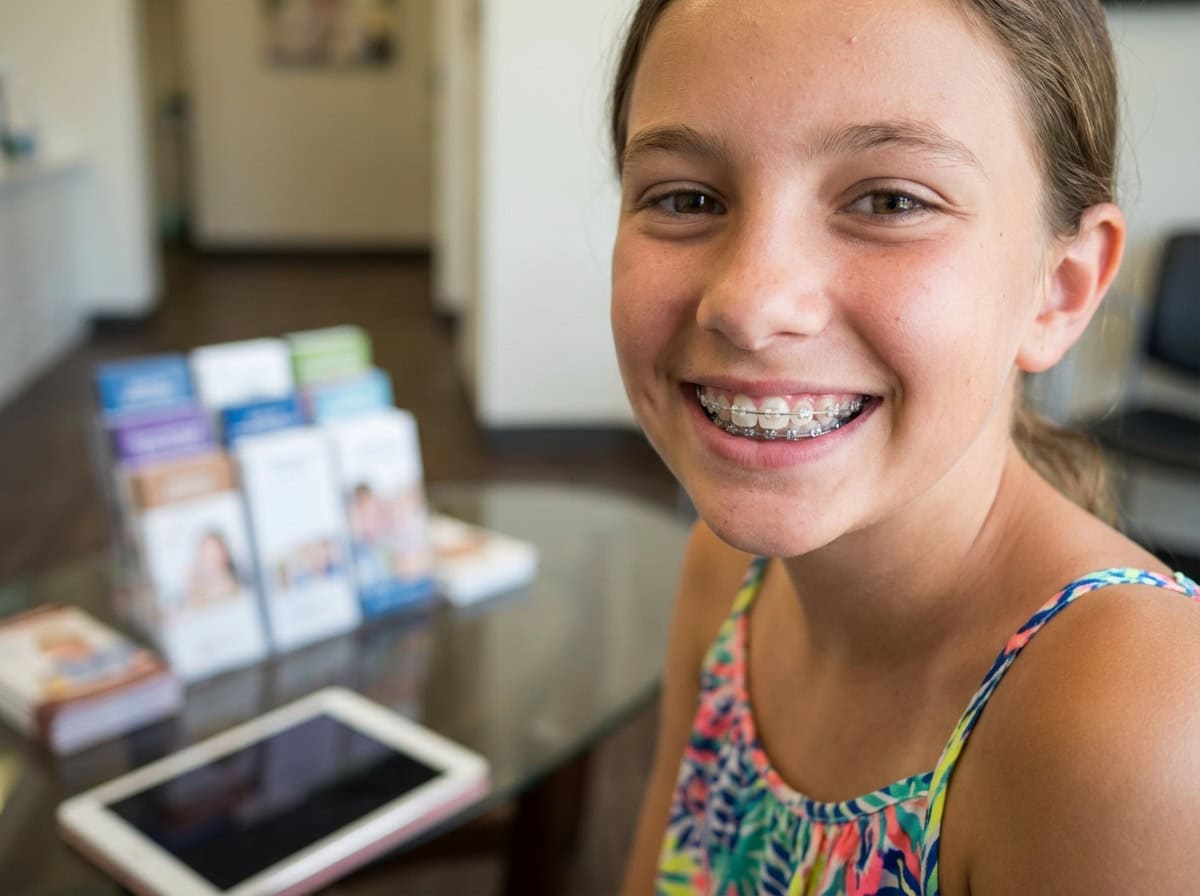
Why Your Kid Needs Braces or Clear Aligners Now
Your child's smile is one of the first things people notice about them.
But here's what keeps most parents up at night: what if their teeth aren't growing in straight?
What if they need braces or clear aligners?
The questions pile up fast.
Will it hurt?
How long will treatment take?
What's the actual cost?
And most importantly, how do you pick the right orthodontist?
I get it.
Making decisions about your kid's dental health feels heavy.
You want the best care, you want them to feel comfortable, and you want results that actually stick.
The good news is that modern orthodontic treatment has come a long way.
Whether we're talking braces, clear aligners, or other solutions, the options are flexible, effective, and designed to work with your family's lifestyle.
Understanding When Your Child Needs Orthodontic Treatment
Most kids start showing signs they might need braces between ages 6 and 12.
But here's the thing: not every crooked tooth means immediate action.
The American Association of Orthodontists recommends kids get their first orthodontic screening around age 7.
Why so early?
Because some bite problems are easier to fix before all the permanent teeth come in.
Common signs your child might need orthodontic care include:
- Crowded or overlapping teeth that are hard to clean
- Gaps between teeth that are wider than normal
- Bite issues like overbite, underbite, or crossbite
- Difficulty chewing or speaking
- Mouth breathing instead of nose breathing
- Teeth that don't meet when their mouth is closed
If you're seeing any of these, that's your signal to schedule an evaluation.
But here's what matters: getting the right diagnosis from someone who actually knows what they're doing.
The Difference Between Braces, Clear Aligners, and Invisalign
When people hear "orthodontic treatment," they often think metal braces.
But that's just one option now.
Let me break down what's actually available.
Traditional metal braces are still incredibly effective.
They use brackets and wires to gradually move teeth into the right position.
Kids can customize them with colored bands, and they handle even complex cases that other treatments might struggle with.
If your child plays contact sports, braces are actually pretty resilient.
Clear aligners are the newer player in the game.
These are custom-made plastic trays that fit snugly over your kid's teeth.
They're nearly invisible, which appeals to kids worried about how they look at school.
You swap them out every week or two, and they slowly shift teeth into position.
The catch: they work best for mild to moderate cases, and your kid needs to actually wear them (we're talking 20 to 22 hours a day).
Invisalign specifically is one brand of clear aligner that's been around for years.
It's well-known, trusted, and works great for lots of cases.
But it's not the only clear aligner option out there, and it's worth understanding that clear aligners as a category can work just as well depending on your kid's specific situation.
The real question isn't which one is objectively "best."
It's which one matches your kid's needs, your budget, and your lifestyle.
What Makes an Orthodontist Actually Qualified
Here's where a lot of parents slip up: they assume all orthodontists are the same.
They're not.
A qualified orthodontist has completed dental school, then spent two to three extra years in orthodontic residency training.
They're studying jaw growth, tooth movement, bite mechanics, and how to handle complex cases safely.
Some go even further and earn board certification, which means they've passed rigorous exams to prove their expertise.
When you're picking an orthodontist, ask about their credentials.
Are they board-certified?
How many cases like your child's have they treated?
Do they stay current with new technology and techniques?
These aren't fancy questions.
They're the foundation of getting real results.
At SMILE-FX Orthodontic & Clear Aligner Studio, we're staffed by board-certified orthodontists who specialize in treating kids, teens, and adults.
We don't outsource the work.
The same specialist who evaluates your child is the one managing their treatment from day one.
The Real Timeline for Orthodontic Treatment
Most people ask: "How long will this take?"
The answer depends on what we're fixing.
Simple cases might take 12 to 18 months.
More complex situations could take 24 to 36 months or longer.
Age matters too.
Kids whose jaws are still growing sometimes need longer treatment because we're working with their natural development.
Here's what actually moves the needle: consistent care and following the orthodontist's instructions.
If your kid wears their retainer after treatment, skips appointments, or doesn't keep up with cleaning, timelines stretch out.
If they're diligent, we hit our targets.
The process typically moves through phases.
Early phase treatment (sometimes called Phase 1) focuses on guiding jaw growth and creating space for permanent teeth.
Later phase treatment handles the fine details once all the permanent teeth are in.
Cost, Insurance, and Making It Work for Your Budget
Let's talk money, because it's real and it matters.
Orthodontic treatment isn't cheap.
Full braces typically run $3,000 to $7,000 depending on complexity and location.
Clear aligners fall in a similar range, sometimes higher.
But here's the truth: most orthodontists offer payment plans.
You're not expected to write one check for the whole amount upfront.
Many practices break it into monthly installments that fit actual family budgets.
Insurance coverage varies wildly.
Some plans cover 50% of orthodontic costs up to a certain limit.
Others cover nothing.
Some cover kids but not adults.
Check your specific plan, then talk to the orthodontist's office about what they can verify for you.
The key is asking upfront.
You shouldn't find out about costs after you've started treatment.
A good practice is transparent about pricing and works with you to find a solution that doesn't wreck your finances.
What Happens During Your First Visit
Your first appointment sets the tone.
Here's what typically happens:
- The orthodontist asks about your family's dental history and your child's specific concerns
- They do a visual exam of your child's teeth and bite
- They take X-rays and sometimes digital scans to see what's really going on
- They discuss findings and treatment options without pressure
- You get a clear plan, timeline, and cost breakdown
This isn't a hard sell.
It's an information gathering session where a real specialist explains what your child needs and what the options are.
At SMILE-FX, we use cutting-edge technology to give you the full picture.
3D scans show exactly how teeth will move.
Digital models let your kid visualize their future smile before treatment even starts.
It's not guesswork.
Braces vs. Clear Aligners for Teens and Kids
If you've got a teenager, the braces versus clear aligner question probably came up at your dinner table.
Let me give you the real talk on each.
Metal braces work faster for complex cases.
If your teen has a serious bite problem or severely crowded teeth, braces are often the most reliable option.
They're also tough.
Braces can handle sports, rough play, and the general chaos of being a kid.
Plus, once they're on, your teen doesn't have to remember to wear them.
The downside: they're visible, and some kids feel self-conscious.
Clear aligners are better for motivation and confidence.
If your teen is worried about appearance, they'll like that clear aligners are hard to see.
But here's the catch: they need to wear them 20 to 22 hours daily and remove them to eat.
That means discipline.
Some teens handle it great.
Others... not so much.
And clear aligners don't work for every type of bite problem.
The honest answer: talk to your orthodontist about your teen's specific case.
They'll tell you which option gives the best results with the highest chance of success.
Treatment for Adults Looks Different Than Kids
If you're thinking about orthodontic treatment for yourself, stop waiting.
Adult teeth move just fine.
They move a bit slower than kids' teeth, and you won't have jaw growth helping things along, but it works.
Adults often prefer clear aligners because they fit professional and social demands better than braces.
You can remove them for important meetings or events.
But some adults choose braces because they want the fastest, most predictable results.
The timeline is usually longer for adults, often 18 to 36 months, but the end result is the same: a straighter, healthier smile.
Questions Parents Actually Ask (And Deserve Real Answers)
Will orthodontic treatment hurt?
No, it won't hurt in a sharp pain sense.
Your child might feel pressure or mild soreness after adjustments, especially the first few days.
It's more like a dull ache than pain.
Over-the-counter pain relief handles it fine if needed.
Most kids adjust after a week.
Can my child still play sports with braces?
Absolutely.
A mouth guard provides extra protection, and braces stay put during games.
In fact, many athletes wear braces without any issues.
Clear aligners can be removed during sports, which some kids prefer.
How often do we visit the orthodontist?
Usually every 4 to 8 weeks for braces.
Clear aligner schedules are similar but sometimes less frequent since the trays are changed at home.
It's a small time commitment for the payoff.
What about retainers after treatment?
Retainers are non-negotiable.
Teeth want to drift back to where they came from.
Most people wear a retainer at night indefinitely.
It's not optional if you want the smile to stick.
Why Choosing the Right Practice Matters More Than You Think
Not all orthodontists deliver the same experience.
Some run factory-style practices where you're in and out in 15 minutes.
Others treat each patient like a real person with real concerns.
When you pick a practice, ask yourself:
- Do they listen or just tell you what to do?
- Do they explain options or push one treatment?
- Are they available when you have questions or concerns?
- Do they use modern technology or old methods?
- What do actual patients say about their experience?
Check patient reviews on independent sites.
Real families talk about real experiences.
That feedback matters more than fancy marketing.
The SMILE-FX Difference: Why Families Choose Us
I'm not here to trash-talk other practices.
But I'll tell you what makes SMILE-FX different.
We're different because we actually listen.
Your concerns aren't checkboxes.
Your child's comfort isn't a nice-to-have.
The results you want are what we're building toward from day one.
Our team includes board-certified orthodontists who specialize in kids, teens, and adults.
We use 3D scanning and digital planning so you see your child's future smile before treatment starts.
No guessing.
No surprises.
We offer flexible options: metal braces, Invisalign, and clear aligners tailored to what your family actually needs.
We work with your budget through payment plans that don't stress you out.
And we treat every family like they're part of ours.
Most importantly, we're transparent.
No hidden costs.
No pressure sales.
Just honest conversations about what your child needs and how we get there.
Your Next Step Is a Free Consultation
If you're sitting here thinking "My kid probably needs braces" or "I've been considering Invisalign for myself," the next move is simple.
Schedule a free consultation.
During your visit, you'll get a 3D scan that shows exactly what's happening with your teeth or your child's teeth.
You'll meet with a board-certified specialist who actually answers your questions.
And you'll leave with a clear treatment plan and pricing breakdown.
No obligation.
No pressure.
Just real information to help you decide.
Book your free 3D scan and VIP smile consultation at SMILE-FX Orthodontic & Clear Aligner Studio today.
Visit https://smile-fx.com/lp/free-consult to schedule.
Your child's smile is worth getting right.
Let's make it happen together with professional orthodontic care.
What Happens After Your Braces Come Off: The Real Maintenance Game
So your kid finished orthodontic treatment.
The braces are off.
The clear aligners are done.
You're thinking the hard part is over, right?
Not exactly.
Here's what nobody talks about enough: what comes after treatment is just as important as the treatment itself.
Your teeth spent months or years moving into a new position.
They want to move back.
It's not laziness on your kid's part.
It's biology.
This is where retainers become your best friend or your worst enemy depending on how seriously you take them.
Retainers Aren't Optional, They're Forever
I know that sounds dramatic.
But teeth are like rubber bands.
They have memory.
Without a retainer holding them in place, they'll drift back to their old spots over months or even weeks.
Most orthodontists recommend wearing a retainer every single night for life.
Some people graduate to wearing it a few nights a week after the first year, but most need nightly wear to keep results locked in.
There are different types of retainers your orthodontist might recommend:
- Hawley retainers are the traditional wire and acrylic option that's been around forever
- Clear retainers look similar to aligners and sit invisible on your teeth
- Bonded retainers are tiny wires glued to the back of your front teeth for permanent holding
- Fixed retainers combined with removable ones give extra protection for serious cases
Most people end up with a combination.
A bonded wire on the lower teeth that stays put forever, plus a removable retainer you wear at night.
The Cost Reality of Retainers
Here's something parents ask me constantly: how much more is this going to cost?
Retainers aren't free, but they're way cheaper than starting orthodontic treatment all over again.
A single replacement retainer runs between $100 to $300 depending on the type.
That's nothing compared to $3,000 to $7,000 for braces or clear aligners.
Think of retainers as insurance.
You pay a small amount to protect a huge investment.
Kids lose retainers.
Dogs eat them.
They get left at school.
It happens.
Budget for replacements and don't panic when it does.
Common Retainer Problems and How to Fix Them
Your kid forgets to wear it some nights.
That's normal.
Missing a few nights won't destroy everything, but it does set things back slightly.
The real problems start when weeks go by without wearing it.
If your kid stops wearing the retainer for a month or longer and you notice teeth shifting, don't wait.
Contact your orthodontist right away.
Sometimes a few weeks of consistent retainer wear fixes it.
Other times you might need a short touch-up period with aligners or braces.
Clear retainers get cloudy over time.
That's fine.
They still work.
But if they crack or break, replace them.
Hawley retainers can loosen or bend.
Your orthodontist can adjust or remake them.
The bottom line: retainers need care like any other dental appliance.
Clean them daily, store them in a case, and check them regularly for damage.
Life After Orthodontic Treatment: What Actually Changes
Teeth are straight now.
Bites are aligned.
But teeth cleaning becomes slightly different with a retainer in the mix.
Your kid still brushes and flosses normally.
But now they also need to clean the retainer itself.
Removable retainers get a quick rinse or gentle brush after meals.
Some people soak their clear retainers in special cleaning solutions to keep them fresh and clear.
If your kid has a bonded wire retainer on the back of their teeth, flossing requires a special threader to get under the wire.
Your orthodontist shows them how.
The first week without braces or aligners feels amazing.
No brackets to catch food.
No trays to manage.
Just straighter teeth and nightly retainer wear.
When Teeth Start Shifting: How to Catch It Early
Some shifting happens to everyone, even with perfect retainer compliance.
It's minimal and natural, but it's worth watching for.
If you notice gaps appearing between teeth that weren't there before, or teeth starting to overlap again, that's your signal to call the orthodontist.
Early intervention matters here.
A few weeks of intensified retainer wear or a quick alignment adjustment stops bigger problems before they start.
Don't be embarrassed about this.
It happens to tons of people.
Your orthodontist isn't judging you.
They're ready to help with other treatment options if needed, or they can adjust your retainer strategy to prevent future movement.
Growing Up With Orthodontic Results
Your kid's face continues changing as they grow.
Jaws continue developing slightly until the late teens or early twenties.
Sometimes this natural growth affects bite or tooth position slightly.
A retainer helps manage these changes, but occasionally your orthodontist might recommend a touch-up period.
This is different from the original treatment.
It's usually shorter and less intensive.
Think of it as a refinement rather than starting from scratch.
This is why staying in touch with your orthodontist after treatment matters.
Regular check-ins catch changes early when they're easiest to manage.
Real Talk: Why Some People Ignore Retainers
I get it.
Kids hate the idea of wearing a retainer forever.
It feels unfair after already doing braces or aligners.
But here's the thing: your orthodontist isn't making this up for fun.
Teeth move back because that's what teeth do.
The people who complain about "their braces not working" ten years later are usually the ones who stopped wearing retainers.
The investment in orthodontic treatment means nothing without the retainer habit.
Make it non-negotiable in your house.
Same as brushing teeth.
Same as going to bed.
Put the retainer in every single night.
How SMILE-FX Handles Your Life After Treatment
We don't just give you braces or aligners and say goodbye.
Your board-certified orthodontist at SMILE-FX stays involved in your kid's results for the long haul.
We're here for retainer adjustments, replacements, or if any shifting happens after treatment.
We give you a clear retainer strategy before treatment even ends.
You know exactly what you're wearing and why.
We use cutting-edge technology to make sure your retainer fits perfectly.
No guessing.
No uncomfortable retainers that don't sit right.
We've also seen the results of parents who skip retainer wear.
We push back on that.
We tell families the real story.
Building Retainer Habits That Actually Stick
The best time to build the retainer habit is day one after treatment ends.
Put it in before bed like brushing teeth.
Make it routine.
Keep the retainer case somewhere visible as a reminder.
If your kid is a teenager, let them own the responsibility.
They're old enough to understand that their smile depends on this one habit.
Frame it right: this isn't punishment or annoying forever task.
It's the difference between a smile that lasts twenty years or starts falling apart in year two.
Most people who wear retainers consistently forget they're even wearing them after a few weeks.
It becomes automatic.
What to Expect During Retainer Check-Ups
Your orthodontist wants to see you for retainer check-ins.
Usually these happen every six months the first year, then annually after that.
During these visits, your orthodontist checks how well the retainer fits and whether your teeth have stayed in position.
They examine for any shifting and make adjustments if needed.
It's a quick appointment.
Nothing invasive.
Just making sure the investment is protected.
This is also when you replace a lost or broken retainer, or upgrade to a new one if your old one is wearing out.
Straight Teeth for Life Starts With Retainers
Your kid's braces are coming off or their clear aligner treatment is finishing.
That's worth celebrating.
But celebrating doesn't mean the work is done.
It means the next chapter is starting: keeping those teeth straight for the next twenty, thirty, forty years.
Retainers make that possible.
They're small, they're simple, and they're non-negotiable.
This is the real secret to long-term orthodontic success.
Ready to Start Your Orthodontic Journey With Confidence
If you're thinking about braces for kids, clear aligners for teens, or Invisalign for adults, knowing what comes after treatment is just as important as knowing what happens during.
At SMILE-FX Orthodontic & Clear Aligner Studio, we set up your retainer strategy from the beginning.
We make sure you understand the commitment, and we're here to support you for life.
No surprises.
No hidden expectations.
Just a clear plan for keeping your smile straight forever.
Book your free 3D scan and VIP smile consultation today.
Visit https://smile-fx.com/lp/free-consult to schedule your appointment.
Let's build a smile that lasts a lifetime with professional orthodontic treatment and long-term retainer care.
How to Pick the Right Orthodontist for Your Family's Needs
You've decided braces or clear aligners are happening.
Now comes the part that actually matters: finding the right person to do the work.
This isn't like picking a haircut where you can just try again next month if you hate it.
Orthodontic treatment takes years of your life and thousands of dollars.
Getting the wrong orthodontist means wasted time, wasted money, and results that don't match what you wanted.
So how do you actually find the best orthodontist near me when you're drowning in Google results and everyone claims to be the best?
Let me walk you through what actually matters.
What Makes a Real Difference When Choosing an Orthodontist
Here's the thing most people get wrong: they think all orthodontists are interchangeable.
They're not.
The difference between a mediocre practice and a great one shows up in your results and your experience.
A board certified orthodontist South Florida isn't just someone with a license to move teeth around.
They've spent extra years studying jaw growth, bite mechanics, and how to handle complicated cases.
But credentials alone don't tell you everything.
What you really want to know is this: does this person actually listen to what you want, or do they just push one treatment option?
Do they explain things clearly, or do they talk at you like you should understand dental jargon?
Are they using old technology from 2005 or current tools that give better results?
Will they be there for you if something goes wrong, or will you get shuffled to an assistant?
These questions matter more than fancy credentials.
The Technology Question Matters More Than You Think
Walk into different orthodontist offices and you'll notice something: some practices have fancy 3D scanners and digital planning tools.
Others still use plaster models and hand-drawn treatment plans.
This isn't just about looking cool.
Best tech driven orthodontist Miramar offices use cutting-edge tools because they produce better results.
3D scanning shows you exactly how your teeth will move.
Digital planning removes guesswork.
You know before treatment starts what your smile will look like.
At SMILE-FX, the technology is built into everything we do.
We're not using ten-year-old equipment.
We're using tools that let us plan treatment more precisely and adjust faster when needed.
Ask any practice you're considering: what technology do you use?
How does it help my treatment?
If they can't explain it clearly, that's a red flag.
Location and Convenience Actually Impact Your Commitment
You're going to visit this office every four to eight weeks for months or years.
If the office is an hour away, you're going to resent every appointment.
You'll start canceling.
You'll fall behind on treatment progress.
Suddenly your timeline stretches from 18 months to 24 months because you couldn't get yourself there consistently.
Find a practice that's actually close to where you live or work.
If you're looking for a top rated orthodontist near me, proximity matters.
You want somewhere you can get to without major hassle.
SMILE-FX has a location in Miramar that serves the entire Broward area.
Easy to get to from most parts of South Florida.
Insurance Coverage and Pricing Transparency Aren't Boring Details
Does insurance cover braces?
Probably some of it, but not all.
Most insurance plans cover about 50% up to $1,500 or $2,000.
Some cover nothing.
Some plans don't cover adults at all.
The question is: does the orthodontist's office actually help you figure out your coverage, or do they leave you to deal with it alone?
A good practice verifies your benefits before treatment starts.
They tell you exactly what you owe out of pocket.
They offer payment plans that fit actual family budgets.
They don't surprise you halfway through with hidden costs.
When you call asking about affordable braces South Florida or $0 down braces financing South Florida, listen to how they answer.
Do they get defensive about cost, or do they talk openly about making treatment work for your situation?
If a practice won't discuss pricing upfront, walk away.
The Consultation Should Feel Like a Real Conversation
Your first visit tells you everything you need to know about how this practice will treat you.
Are they rushing through your exam, or do they take time to understand what you actually want?
Do they explain findings in plain English, or do they assume you understand orthodontic terminology?
Do they pressure you into treatment, or do they give you options to think about?
A good orthodontist asks questions.
They listen to your answers.
They explain what they found and why it matters.
They show you what treatment options exist and what each one does.
They don't say "You need braces, here's how much it costs."
They say "Here's what I found, here's what we can do about it, and here's what each option means for your life."
During your consultation, you should walk out feeling informed, not pressured.
What Real Patients Actually Say Matters
Want to know what an orthodontist is really like?
Don't ask them.
Ask their patients.
Check patient reviews on Google, Yelp, and other sites where people leave honest feedback.
Real families share real experiences.
You see patterns fast: is the staff friendly or rude?
Does treatment actually finish on time?
Do people feel like they were listened to?
Read the specific reviews, not just the star count.
A five-star review that says "great service, friendly staff" is less useful than one that says "we were worried about costs, they worked with us on financing, and the treatment took exactly the time they said it would."
Look for reviews mentioning specific things that matter to you: whether the orthodontist handled complex cases well, whether they were good with nervous kids, whether the staff actually cared.
Pediatric Orthodontist vs. General Orthodontist: Does It Matter?
A best pediatric orthodontist South Florida has extra training in treating kids.
They know how to handle anxious children.
They understand jaw growth and when to step in versus when to wait.
They communicate in ways kids understand.
If you're treating a kid under twelve, a pediatric specialist usually gives you better results because they're thinking about how the jaw is still developing.
For teens, any good orthodontist can handle it.
For adults, it doesn't matter as much.
The real question is: does the orthodontist have experience with your kid's specific age and situation?
Ask them directly how many cases like your child's they treat each year.
Board Certification Isn't Everything, But It Matters
A board certified orthodontist passed rigorous exams proving they know their stuff.
It's not just a piece of paper.
It means they care enough about their work to prove it against a standard.
But not every good orthodontist is board certified, and some board certified orthodontists run mediocre practices.
Certification is a sign of competence, but it's not a guarantee of great service or results.
Look for both: board certification plus good patient reviews plus clear communication.
That combo actually tells you something.
Complex Cases Need Orthodontists Who Actually Handle Them
Some teeth problems are simple.
Some are complicated.
If your kid has a severe bite problem or very crowded teeth, you want a best orthodontist for complex cases who has seen situations like yours before.
Not every practice can handle every case well.
Some specialize in simple crowding.
Others handle severe cases that need jaw surgery or years of preparation.
Know what you're dealing with and find someone who handles it regularly.
During your consultation, ask: have you treated cases like mine?
How many?
What was the average treatment time?
This tells you whether you're in good hands.
The Right Fit Is About More Than Just Results
You want straight teeth, obviously.
But you also want to feel comfortable during the process.
You want your questions answered.
You want to trust the person guiding your child's or your own dental development.
The right orthodontist is someone you can talk to.
Someone who explains things.
Someone who admits when they don't know something instead of guessing.
Someone who makes you feel like you matter as a patient, not like you're just another case code.
This is why how SMILE-FX is different actually matters.
We're not running a factory-style practice where you're in and out in fifteen minutes.
We listen to what you want.
We explain options without pushing one direction.
We use current technology that gives you real answers before treatment starts.
Adults Need Different Considerations Than Kids
Looking for adult orthodontics Aventura or anywhere in South Florida?
Adult patients often have different concerns than parents choosing for their kids.
You might be worried about appearance during treatment, or you might care about speed because you have a busy schedule.
Some orthodontists specialize in adult cases.
They understand that adults often prefer clear aligners or Invisalign over visible braces.
They know that coordinating orthodontic treatment with other dental work sometimes needed in adults takes extra planning.
If you're an adult looking for treatment, make sure the orthodontist you pick has real experience treating adults, not just kids.
Your Game Plan for Finding the Right Practice
Start by searching for top rated orthodontist Fort Lauderdale or top rated orthodontist Miramar depending on where you live.
Look at the first few results.
Check reviews on Google and other sites.
Notice which practices keep coming up as highly rated.
Narrow it down to three practices you'd actually consider.
Call each one and ask simple questions about your specific situation.
How would they treat your teeth or your kid's teeth?
What options exist?
What does it cost?
Book a free consultation at each office.
Most practices offer this without obligation.
This is where you get a real feel for whether this is the right place.
Pay attention to how you're treated during the consultation.
Did the staff make you feel welcome or ignored?
Did the orthodontist listen or just talk?
Did they explain things clearly or use confusing terminology?
Pick the place where you felt most heard and most confident about the plan.
Why Getting This Decision Right Saves You Years of Frustration
Picking the right orthodontist isn't just about getting straight teeth.
It's about getting straight teeth in the timeframe promised, without stress, and with an actual professional who cares about your results.
A great orthodontist gets you results faster.
They communicate clearly so there are no surprises.
They handle problems before they become big issues.
They make the whole experience feel like you're in good hands.
A mediocre one stretches treatment longer than needed, leaves you wondering what's happening, and makes you feel like just another number.
The difference is worth the effort of finding the right one.
Schedule Your Consultation Today
Ready to find out if you or your kid needs orthodontic treatment?
Ready to understand your options for braces near me, clear aligners, or Invisalign provider near me?
At SMILE-FX Orthodontic & Clear Aligner Studio, we're the #1 orthodontist Miami to Palm Beach and we treat kids, teens, and adults with the same commitment to results and patient experience.
Our team includes board certified specialists who actually listen to what you want.
We use cutting-edge technology so you see your future smile before treatment starts.
We work with your budget and insurance.
No pressure.
No hidden costs.
Just real orthodontics from people who actually care.
Book your free 3D scan and VIP smile consultation at https://smile-fx.com/lp/free-consult to get started finding your best smile.